Tooth decay, cracks, or injuries can damage the inside of a tooth. However, this does not always mean the tooth needs to be removed. Root canal treatment in Orlando may help save the natural tooth if enough of it is still healthy. During treatment, the dentist removes the damaged or infected soft tissue from inside the tooth, cleans the area, and seals it to prevent further infection. The tooth is then repaired with a suitable filling or crown. This treatment can help you keep your natural tooth and continue eating and speaking comfortably. A dental checkup can help determine if a root canal is the right choice for your tooth.
What Happens Inside a Tooth?
The pulp contains nerves and blood vessels. Deep decay, trauma, cracks, or repeated dental work can inflame or infect it.
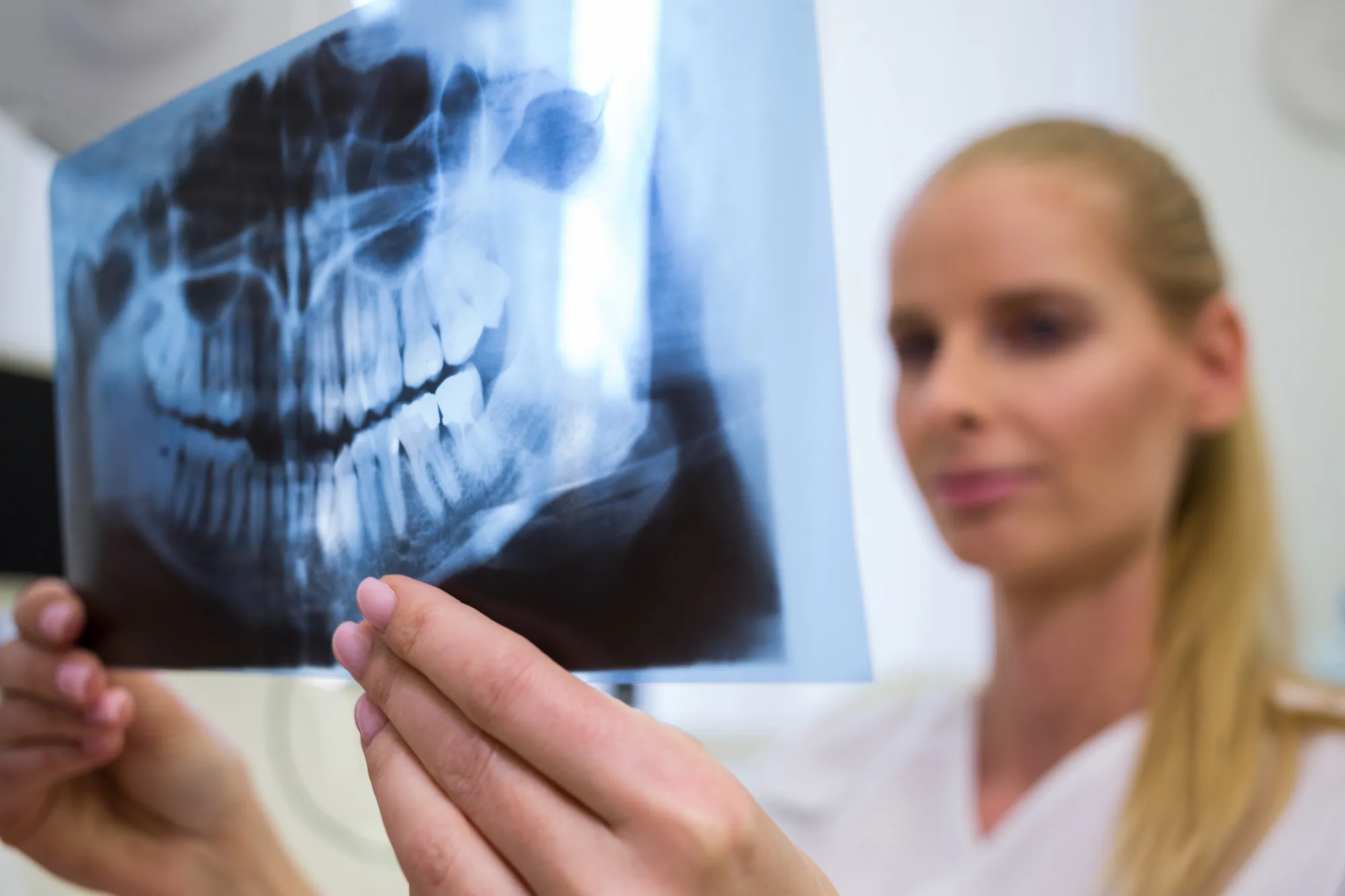
Signs include lingering temperature sensitivity, chewing pain, swelling, or darkening after injury. Some teeth cause little discomfort, so symptoms alone cannot confirm the cause. An examination and dental images help assess the roots and surrounding bone.
How Root Canal Treatment Preserves the Tooth
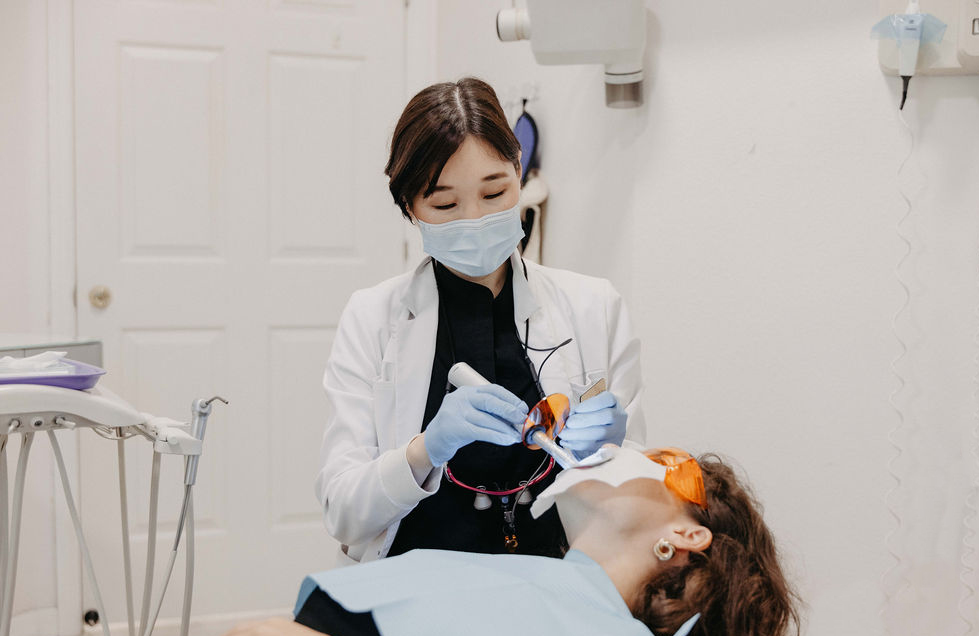
If you are looking for root canal treatment near you, a dental assessment can help determine whether your tooth can be saved and which treatment steps are needed, including:
- Numbing the Area: Local anaesthetic helps keep treatment comfortable.
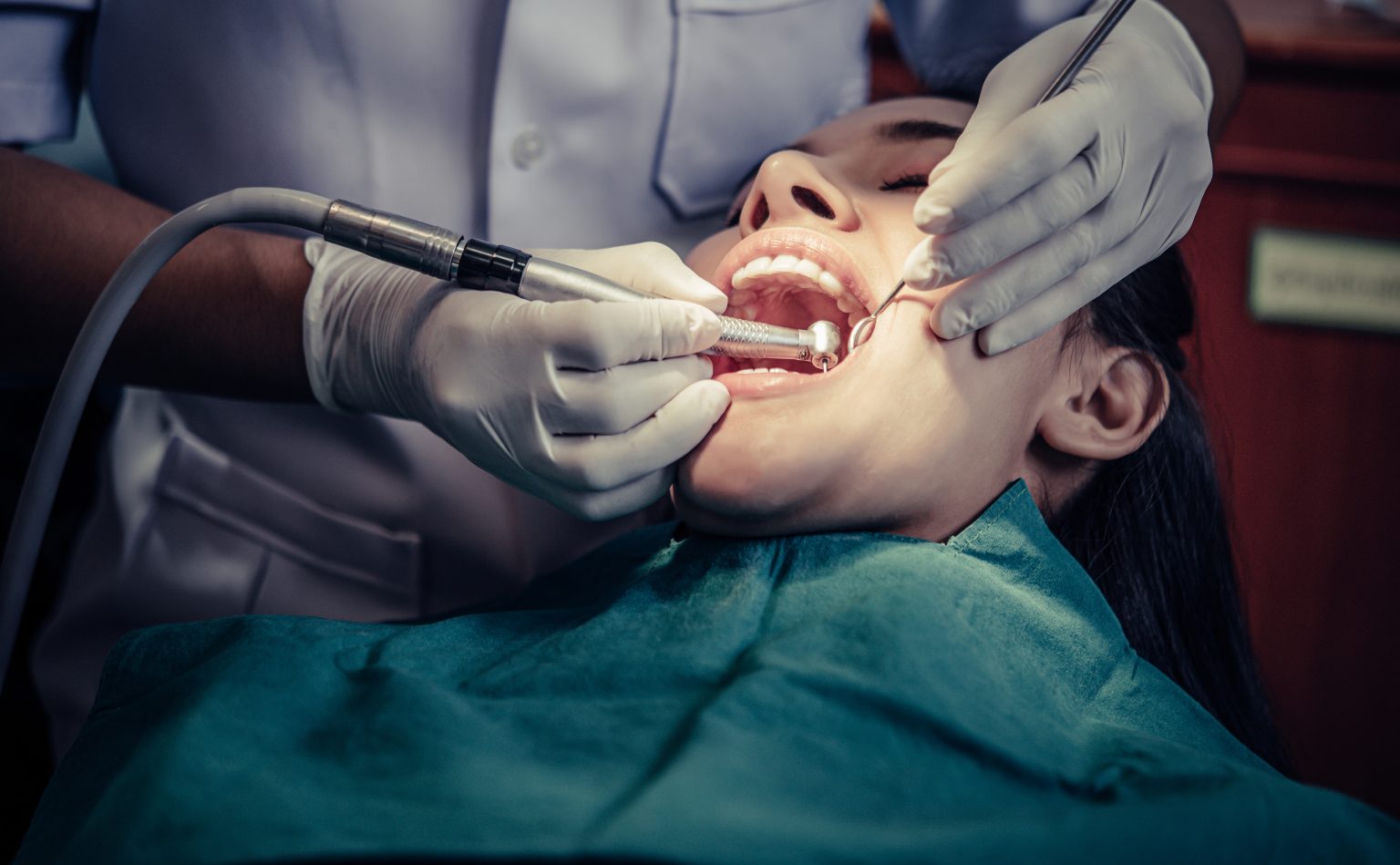
- Removing Affected Pulp: A small opening provides access to damaged tissue.
- Cleaning and Sealing: The canals are cleaned, shaped, filled, and sealed to reduce bacterial re-entry.
- Restoring the Tooth: A filling or crown may protect the remaining structure, depending on the tooth and extent of damage.
The goal is to treat the inner problem while preserving the tooth when possible. Follow-up and restoration matter.
Why Keeping a Natural Tooth Can Matter
The benefits of saving a natural tooth with root canal treatment can include preserving chewing function and keeping the tooth in position beside its neighbours. A deep root fracture, little remaining structure, or poor gum support may make restoration unreliable; extraction and replacement options can then be discussed.
When Is Root Canal Treatment Necessary?
A dentist in Orlando may recommend treatment when pulp inflammation or infection cannot heal on its own, often because of decay, a crack, or trauma. Lingering sensitivity, persistent pain, swelling, or a recurring gum bump needs assessment, but these signs do not prove a root canal is necessary. Examination and appropriate imaging guide the decision.
Caring for the Tooth After Treatment
Follow aftercare instructions and avoid chewing hard foods on the tooth until the final restoration is placed, if advised. Keep the area clean and attend reviews. Contact the dental team if pain or swelling worsens, a temporary filling breaks, or your bite feels uneven.
A dental office near you can explain restoration and follow-up. Longevity depends on remaining structure, gum health, restoration quality, and daily care.
Take the Next Step Toward Preserving Your Tooth
An assessment can clarify the cause of discomfort, whether the tooth is restorable, and what protection it may need. Clear information helps you make an informed decision.
Schedule a consultation with Millenia Dental Health to discuss your symptoms and suitable options. Take the next step with guidance tailored to your smile.
FAQs
How does root canal treatment save a natural tooth?
The dentist removes inflamed or infected pulp, then cleans and seals the canals. The remaining tooth can be restored when enough structure remains.
When is root canal treatment necessary?
It may be needed when pulp inflammation or infection does not heal on its own, often due to decay, a crack, or trauma. An examination helps identify the cause.
Is root canal treatment painful?
Local anaesthetic numbs the area during treatment. Some tenderness may follow; contact the dental team if pain becomes severe, swelling develops, or symptoms worsen.
How long can a natural tooth last after root canal treatment?
There is no fixed lifespan. A treated tooth can function for many years with suitable restoration, good hygiene, and regular dental care.