
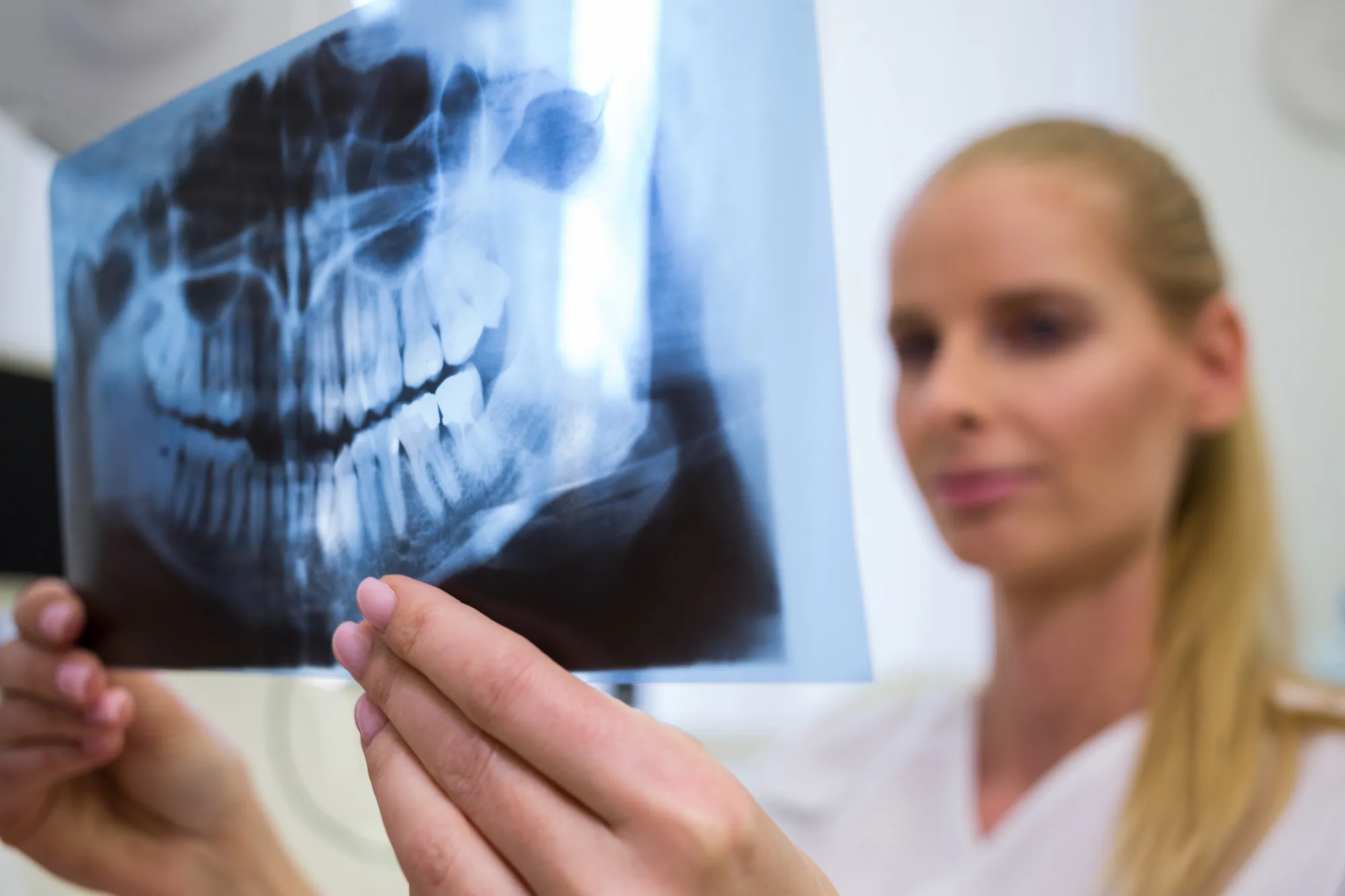
A tooth can look healthy on the surface and still have a problem that is not visible during a visual check. Decay between teeth, changes around a root, and changes in supporting bone may be hidden from view. A dentist in Orlando may recommend imaging when an examination alone cannot provide enough information. Dental X-rays are not automatically needed at every visit; recommendations depend on symptoms, oral health history, age, risk factors, and previous images. The purpose is to gather useful information and tailor decisions to individual needs.
Digital X-Rays And What They Show
Digital imaging supports general and preventive dentistry when clinically appropriate. For selected concerns, dental X-rays in Orlando can show areas between teeth, around roots, beneath some restorations, and within supporting bones that are difficult to assess visually. The image type depends on the clinical question.
Why Imaging Matters For Oral Health
The importance of dental X-rays for oral health is that images can reveal changes not visible during an examination. Depending on the view, they may show decay between teeth, changes around a root, developing or impacted teeth, or bone changes associated with periodontal disease.
Images do not reveal every condition, and an unusual finding does not automatically require treatment. Results are considered alongside symptoms, examination findings, and dental history.
How Often Are X-Rays Needed?
There is no universal schedule. Frequency depends on age, cavity, and gum-disease risk, symptoms, dental history, and previous images. Someone with recurring decay may need imaging more often than someone with stable oral health. CBCT provides three-dimensional detail for selected planning needs but is not routine for every checkup.
Radiation Safety And Individual Needs
Dental X-rays use ionizing radiation, so each image should have a clear clinical purpose. Digital systems use low doses, and exposure should be kept as low as reasonably achievable while still producing a useful image. Tell the dental team if you are pregnant or may be pregnant.
A consultation for dental X-rays near you can help you better understand why imaging is recommended, what area it will show, and whether existing images can answer the question.
Review Existing Images Before Repeating Them
A dental office near you can review recent images, when available, before recommending new ones. Previous records may prevent unnecessary repeats, although updated images may be needed if the old ones are unclear, outdated, or do not show the area of concern.
Make An Informed Decision
Imaging is most useful when it answers a specific clinical question. Millenia Dental Health uses digital X-rays and CBCT imaging when appropriate to support examinations and treatment planning.
Book a consultation to discuss your oral health and whether imaging may be appropriate.
Get directions to Millenia Dental Health and visit our office in Orlando to discuss digital dental X-rays, oral health concerns, and personalized imaging recommendations.
FAQs
Why are dental X-rays important for oral health?
They can show areas that are difficult to assess visually, including spaces between teeth, roots, and the supporting bone. Results are interpreted alongside an examination, not used alone to make a diagnosis.
How often should I get dental X-rays?
The interval depends on symptoms, age, dental history, previous images, and your risk of decay or gum disease. Recommendations should reflect current needs rather than a fixed timetable.
Can dental X-rays detect cavities and gum disease?
Understanding how dental X-rays help detect dental problems starts with knowing that images may reveal decay between teeth and bone changes associated with gum disease. They cannot identify every early cavity or gum condition, so examination findings also matter.
Are dental X-rays safe for children and adults?
When clinically needed, X-rays can be used for children and adults, with exposure kept as low as reasonably achievable. Type and frequency should reflect individual needs. Mention pregnancy or possible pregnancy and discuss concerns before imaging.