
Surgical Services in Orlando, FL
Surgical Services Near You
Dental surgery can mean very different things depending on the problem being treated. Removing a damaged tooth, rebuilding bone for a future implant, and placing an implant each require different planning. At Millenia Dental Health, we provide surgical services in Orlando, FL, based on the condition of your teeth, bone, gums, and long-term restorative needs.
Having access to surgical services near you can make evaluation, treatment, and follow-up visits easier to coordinate close to home. Our Conroy Road office is convenient for central Orlando, the Mall at Millenia area, and communities near Universal Studios Florida.
What Are Dental Surgical Services?
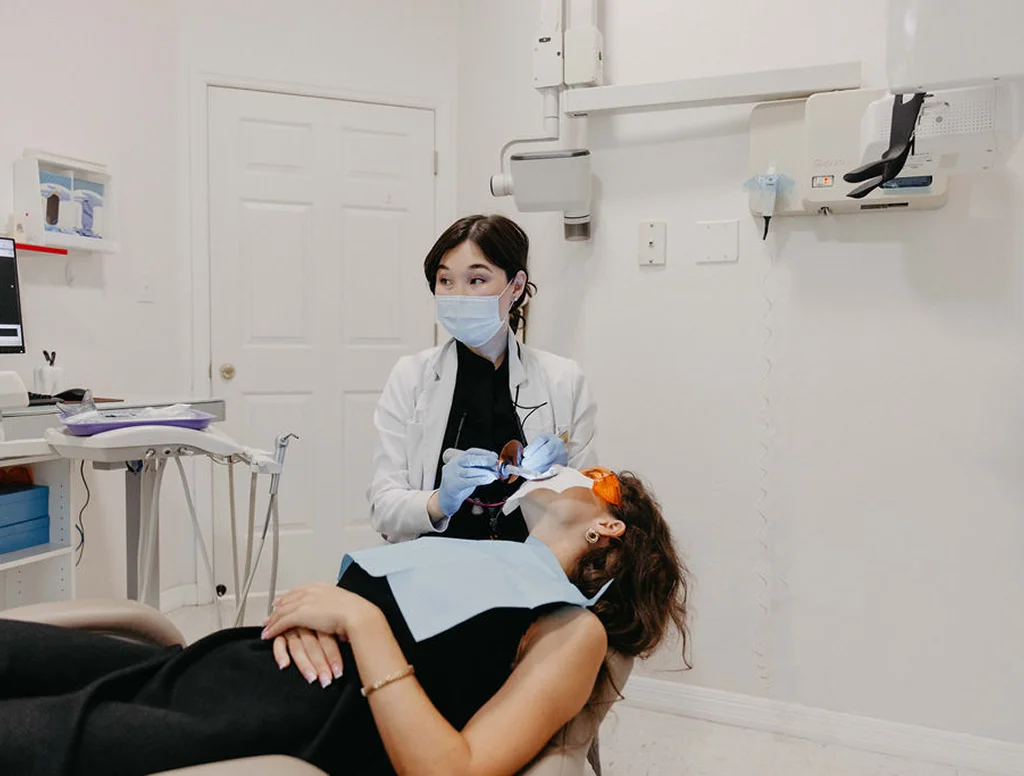
Dental surgical services involve procedures that affect the teeth, bone, gums, or supporting structures of the mouth. They may be needed to remove a tooth that cannot be preserved, prepare an area for future tooth replacement, place a dental implant, or support an implant-based treatment plan.
Not every dental concern requires surgery. Whenever possible, treatment planning should consider whether a tooth can reasonably be preserved and whether a less invasive approach can address the problem.
When you visit our dentist in Orlando, FL, we evaluate the area, review the appropriate dental imaging, and determine whether a surgical procedure is necessary for your needs.
What Surgical Services Are Available?
At Millenia Dental Health, our surgical care includes:
Tooth Extractions
A tooth may need to be removed when it is severely damaged, cannot be predictably restored, or presents another concern that makes preservation impractical.
Surgical Extractions
Some teeth require a more involved approach because of their position, remaining tooth structure, or access below the gumline.
Bone Grafting
Bone grafting may be used to preserve or rebuild bone in an area where additional support is needed.
Implant Placement
A dental implant is surgically positioned in the jawbone to provide support for a future tooth replacement.
Implant Overdentures
Dental implants can be used to improve the support and retention of a removable overdenture when the mouth and bone are suitable for this approach.
When Might You Need Dental Surgery?
We may recommend a surgical procedure if:
A tooth is too damaged to be predictably preserved.
A tooth cannot be removed with a straightforward extraction.
Bone volume needs to be maintained or rebuilt in a selected area.
You are preparing for dental implant placement.
You want to replace a missing tooth with an implant-supported restoration.
You are considering an implant overdenture for multiple missing teeth.
An existing dental problem requires access to structures beneath the gumline.
What Are the Benefits of Dental Surgical Care?
The purpose of surgery depends on the condition being treated:
Removing Non-Restorable Teeth
Extraction can eliminate a tooth that can no longer be predictably repaired.
Preparing for Tooth Replacement
Selected procedures can prepare the mouth for later restorative treatment.
Supporting Implant Treatment
Implant placement can provide a stable foundation for a crown, bridge, or overdenture.
Preserving or Rebuilding Bone
Bone grafting may help maintain or increase bone in appropriate areas.
Improving Denture Support
Implants can provide additional retention for certain removable overdentures.
Coordinating Long-Term Care
Surgical and restorative planning can be considered together rather than as unrelated procedures.
If you are looking for a dentist near you for surgical services in Orlando, FL, our team can evaluate the problem and explain whether surgery is necessary, what it is intended to accomplish, and what alternatives may be available.
How Do Dental Surgical Procedures Work?
When we provide surgical services in Orlando, FL, the exact steps depend on the procedure being performed. In general, care may include:
Evaluating the Area
We examine the teeth, gums, bite, and surrounding structures.
Reviewing Dental Imaging
We use appropriate X-rays and, when clinically indicated, CBCT imaging to better understand the treatment area
Planning the Procedure
We consider the condition being treated, relevant anatomy, and any future restorative treatment.
Preparing the Area
We make sure the treatment site is appropriately anesthetized and prepared before beginning.
Completing the Procedure
We perform the planned extraction, grafting, implant placement, or other surgical step according to your treatment plan.
Managing the Site
We check the surgical area and provide any necessary measures to support healing.
Reviewing Aftercare
We explain how to care for the area, what to avoid, and which symptoms should prompt you to contact us.
What to Expect After Dental Surgery
Your recovery instructions will depend on the procedure, but you may be advised to:
Follow the written and verbal aftercare instructions we provide.
Avoid disturbing the surgical area while early healing begins.
Choose foods that are appropriate for the procedure and stage of recovery.
Maintain oral hygiene while cleaning carefully around the treatment site.
Avoid smoking or other habits that can interfere with healing.
Take prescribed or recommended medications only as directed.
Contact us if bleeding, swelling, pain, or other symptoms get worse or last longer than expected.
Attend follow-up visits so we can evaluate healing.
Why Choose Millenia Dental Health for Surgical Services?
At Millenia Dental Health, we offer surgical services near you so you can receive professional care close to home. We also take a conservative approach and consider whether surgery is truly necessary before recommending it. When you visit us, you can expect:
Detailed Digital Planning
We use digital charts and X-rays, with CBCT imaging available when clinically appropriate.
Personalized Treatment
We plan care around the condition of your teeth, gums, bone, and future restorative needs.
Conservative Recommendations
We consider preservation and less invasive options when they are appropriate.
Comfort-Conscious Care
Our comfort menu and gentle approach help us support you throughout your visit.
Multilingual Communication
Our team speaks English, Russian, and Spanish.
Flexible Financial Options
We can help you understand insurance coverage and offer Cherry Payment Plans.
Plan the Surgical and Restorative Steps Together
Dental surgery often represents one stage of a larger treatment plan. At Millenia Dental Health, we consider what needs to happen before, during, and after the procedure so each step supports the intended result.
To learn more about our general dentistry near you, call us at (407) 246-0104, email us at [email protected], or visit us at 5301 Conroy Rd, Ste 100, Orlando, FL 32811, United States to book your consultation.
FAQs
Does needing a tooth extraction mean the tooth definitely cannot be saved?
Not necessarily. We first evaluate the condition of the tooth and whether it can reasonably be restored. Extraction is generally considered when preserving the tooth is not a predictable or appropriate option.
What is the difference between a regular extraction and a surgical extraction?
A straightforward extraction involves removing a tooth that can be adequately accessed using conventional techniques. A surgical extraction may require additional access to the tooth or surrounding structures because of its position, damage, or remaining tooth structure.
Does every dental implant require a bone graft?
No. Bone grafting is recommended only when the available bone is insufficient for the planned treatment or when another clinical reason exists to preserve or rebuild the area.
How long does it take to heal after dental surgery?
Healing time varies considerably depending on the procedure, treatment area, your overall health, and how your body responds. We provide instructions and follow-up recommendations specific to your procedure.
Can I drive myself home after dental surgery?
That depends on the procedure and any medications or sedation used. We will tell you beforehand whether you need someone to drive you home.
What symptoms should I contact the clinic about after surgery?
Contact us if you experience symptoms that concern you, especially bleeding that does not improve with the measures we recommend, worsening swelling or pain, fever, difficulty breathing or swallowing, or another unexpected change during recovery.