Dentures in Orlando: Complete Guide to Traditional Dentures, Overdentures & Implant-Supported Dentures Rediscover
Missing teeth affect more than just your appearance—they can compromise your ability to eat, speak, and smile with confidence. In cities like Orlando, where an active lifestyle and social engagement are part of daily life, restoring function and aesthetics is about more than just dental health—it’s about quality of life. Today’s tooth replacement options go far beyond traditional solutions, offering improved stability, comfort, and natural performance.
From removable dentures that replace multiple missing teeth to implant-supported dentures anchored securely in place, there are solutions tailored to individual needs and oral health goals. Overdentures, which combine the affordability of dentures with the support of dental implants, offer a balanced middle ground—improving retention and reducing bone loss over time.
These choices aren’t just cosmetic. Replacing missing teeth helps preserve jawbone structure, prevents adjacent teeth from shifting, and supports long-term oral health. For patients considering their options, understanding the differences in comfort, maintenance, and longevity is key. This guide will break down each option, compare benefits and real-world performance, and help you make informed decisions based on your lifestyle, budget, and dental health.
Understanding Traditional Dentures: Function, Types, and Real-World Trade-Offs
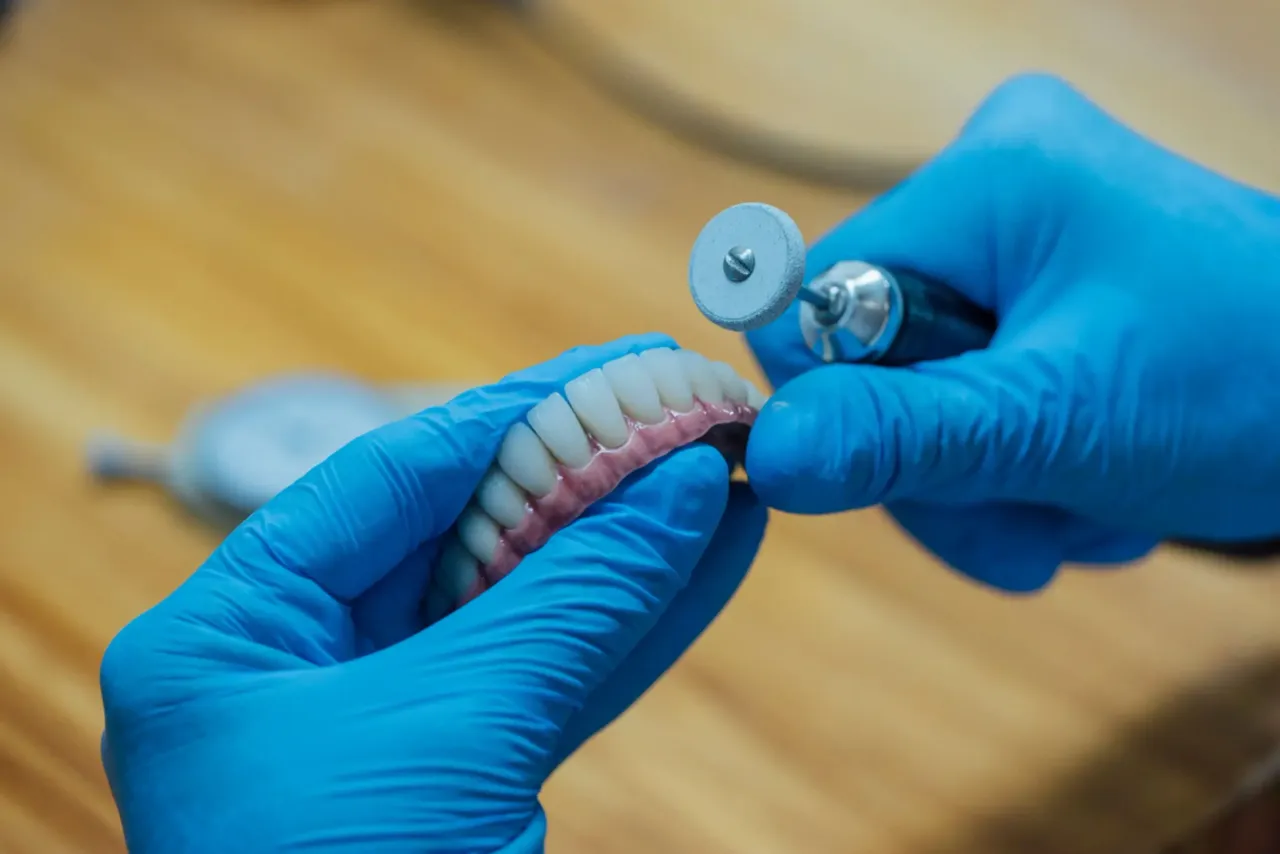
For many individuals living with missing teeth, traditional dentures remain a common and accessible solution. These removable prosthetics are designed to replace multiple or full-arch tooth loss and are custom-fabricated to fit snugly over the gums, restoring basic function and aesthetics. Typically made from acrylic resin or a combination of acrylic and metal, dentures rely on natural suction and the contour of the gums for retention—though many patients in Orlando and surrounding areas often use adhesive creams to improve stability during daily activities.
There are two primary types: complete dentures, which replace all teeth in an arch, and partial dentures, which fill in gaps while anchoring to remaining natural teeth with metal or flexible clasps. One major advantage is affordability—dentures are often more budget-friendly upfront than surgical alternatives, making them a practical first step for seniors or those managing dental health on a fixed income.
However, long-term use comes with challenges. Without the stimulation of natural tooth roots, the jawbone beneath the gums gradually resorbs, leading to bone loss over time. This can alter facial structure, cause dentures to loosen, and require frequent relines or replacements. Common complaints include slippage while speaking or eating, difficulty with certain foods, and sore spots from friction. For many, these drawbacks impact confidence and quality of life—prompting a closer look at more stable, long-term alternatives.
Unlocking Stability: How Overdentures Transform the Denture Experience
For patients exploring tooth replacement options in Orlando and beyond, overdentures represent a significant advancement over conventional dentures. Unlike traditional full dentures that rest solely on the gums, overdentures are securely anchored to either existing tooth roots or dental implants, offering superior retention, comfort, and jawbone preservation. This hybrid solution combines the affordability and coverage of dentures with the stability typically associated with implant-supported teeth.
Overdentures are especially beneficial for individuals who have experienced bone loss but still seek a more secure fit than standard dentures provide. By attaching to two or more dental implants—usually placed in the front jaw area—these prosthetics minimize slipping during speaking or eating, a common frustration with traditional options. Some designs utilize natural root structures, preserving more of the original anatomy while preventing further bone resorption.
Key advantages include:
- Enhanced chewing efficiency, allowing patients to enjoy a broader range of nutritious foods
- Improved speech clarity, eliminating the worry of shifting dentures
- Greater comfort and confidence, thanks to reduced gum pressure and movement
- Jawbone stimulation, which helps maintain facial structure and prevent the sunken appearance linked to bone loss
In warm, active communities like Orlando, where lifestyle demands functional and durable solutions, overdentures offer a balanced option between performance and practicality. For those weighing dentures vs. implant-supported options, this middle-ground approach delivers noticeable improvements in daily function and long-term oral health—without the need for full-arch implant bridges.
Implant-Supported Dentures: A Long-Term Investment in Oral Health
Implant-supported dentures offer a significant advancement over traditional removable options, combining secure function with crucial biological benefits. Unlike conventional dentures that rest on the gums, implant-supported prosthetics are anchored to titanium posts surgically placed into the jawbone. This process, known as osseointegration, allows the implants to fuse with the bone over several months, creating a stable foundation that mimics natural tooth roots.
One of the most compelling advantages is bone preservation. When natural teeth are lost, the underlying jawbone begins to resorb due to lack of stimulation. Implants prevent this deterioration by transferring chewing forces directly to the bone, maintaining facial structure and reducing the risk of a sunken appearance over time—common concerns for denture wearers in Orlando and similar communities.
While the initial cost is higher than traditional dentures, the long-term value includes improved comfort, enhanced chewing efficiency, and reduced need for adjustments or replacements. Most patients require a series of appointments: initial consultation, surgical placement, healing period (typically 3–6 months), and final prosthetic attachment.
Good candidates should have sufficient bone density and commit to excellent oral hygiene. For those seeking a durable, natural-feeling solution, implant-supported dentures represent a transformative step forward in restorative dental care.
How Dentures Stack Up Against Implant-Supported Options: What Really Matters
When weighing tooth replacement options, understanding the differences between traditional dentures, implant-supported dentures, and individual dental implants is key to making an informed decision. Each choice varies significantly in cost, comfort, maintenance, durability, and long-term impact on oral health—factors that directly influence daily life and jaw integrity.
Cost
Traditional dentures are typically the most affordable upfront, making them a common starting point for many patients in Orlando and beyond. Implant-supported solutions require a higher initial investment due to surgical procedures and materials but often prove more cost-effective over time due to durability.
Comfort & Stability
Dentures may slip or cause irritation, especially on the lower jaw, while implant-supported prosthetics are securely anchored, offering superior comfort and function. This stability improves speaking, chewing, and overall confidence.
Maintenance
Dentures require nightly soaking and careful cleaning, whereas implant-supported options can be brushed like natural teeth, simplifying oral hygiene routines.
Durability
Standard dentures may need relining or replacing every 5–7 years, while dental implants can last decades with proper care, preserving jawbone structure.
Oral Health Impact
Dentures may contribute to bone loss over time, but implants stimulate the jaw, mimicking natural tooth roots and supporting facial structure. For long-term wellness, implant-supported options offer the most biologically sound choice.
Denture and Implant FAQs: Your Top Questions Answered
Do dentures hurt when you first get them?
Initially, new dentures may cause minor discomfort or sore spots as your gums and jaw adjust. This typically resolves within a few weeks. Implant-supported options, while requiring minor surgery, often result in less long-term discomfort due to their stability. Over-the-counter pain relief and follow-up adjustments can help manage any short-term pain during the break-in period.
How do I clean and care for my dentures?
Daily care is essential. Remove and rinse dentures after meals, then brush them gently with a soft-bristle brush and non-abrasive denture cleaner—never regular toothpaste. Soak them overnight in a denture solution or water to maintain shape and moisture. For implant-supported dentures, treat them like natural teeth: brush twice daily and floss or use a water flosser around the attachments to prevent bacterial buildup.
Can I eat normally with dentures?
Traditional dentures can limit your ability to chew tough or sticky foods, especially if they slip. Start with soft foods cut into small pieces and gradually reintroduce others. Implant-supported dentures offer significantly better chewing power—up to 70% more—because they’re anchored securely into the jawbone, allowing many patients in Orlando and similar communities to enjoy a near-normal diet.
How long do dentures and implants last?
With proper care, traditional dentures typically last 5–7 years before needing replacement due to gum shrinkage and wear. Implant-supported options can last 10–15 years or more, with the titanium posts often remaining viable for decades. Regular check-ups help monitor fit, function, and oral health to extend their lifespan.
What’s the best way to prevent bad breath with dentures?
Bad breath often stems from trapped food particles and bacteria. Clean your dentures daily, clean your gums and tongue each morning, and stay hydrated. For implant-supported wearers, thorough flossing and antimicrobial mouthwash reduce odor-causing bacteria around the implant site.
Making the Right Choice for Your Smile: Dentures vs. Implant-Supported Options
When weighing dentures against implant-supported options, the decision ultimately comes down to your lifestyle, overall health, and budget. Traditional dentures offer a more affordable, non-surgical solution, making them a practical choice for many patients seeking immediate tooth replacement. They’re removable, require regular adjustments, and may limit certain foods due to stability concerns. On the other hand, implant-supported prosthetics provide superior stability, function, and longevity—often feeling and functioning like natural teeth. While the initial investment is higher and the process takes longer due to healing time, many patients in Orlando and surrounding areas find the long-term benefits worth it, especially if they value eating comfortably, speaking confidently, and maintaining jawbone health.
To determine the best fit:
- Evaluate your oral health: Adequate jawbone density is crucial for implants; bone grafting may be needed otherwise.
- Consider daily habits: Implant-supported options require strong oral hygiene but don’t need adhesives or removal.
- Assess your budget and insurance: While implants are typically less covered, some plans help offset costs—check your provider.
- Think long-term: Implants often reduce future dental work by preserving bone and adjacent teeth.
Why Choose Millenia Dental Health for Dentures in Orlando?
Patients throughout Orlando trust Millenia Dental Health for personalized, compassionate dental care and advanced tooth replacement solutions.
We Offer:
Custom full and partial dentures
Implant-supported dentures
Overdentures
Advanced dental implant technology
Comfortable and modern care
Flexible financing options
Conveniently located near Millenia Mall, Universal Orlando, International Drive, Dr. Phillips, and Windermere, our office makes high-quality dental care easily accessible for patients throughout Central Florida.
Schedule Your Denture Consultation in Orlando
If you are ready to restore your smile and confidence, our team is here to help. Whether you need traditional dentures, overdentures, or implant-supported dentures, we can guide you through every step of the process.
Contact Millenia Dental Health today to schedule your consultation and learn more about your tooth replacement options.Your ideal solution depends on your personal priorities. If you’re ready to explore your options, schedule a consultation with a dental provider who offers both treatments to discuss a plan tailored to your needs. A confident, functional smile is within reach—take the next step today.